
Comprehensive Eye Exams at United Eye Care Optometry
- uecwasco
- Sep 23, 2025
- 5 min read
When was the last time you had your eyes checked? Many people overlook the importance of regular eye exams. At United Eye Care Optometry, we believe that comprehensive eye exams are essential for maintaining good vision and overall health. In this blog post, we will explore what a comprehensive eye exam entails, why it is important, and how it can benefit you.
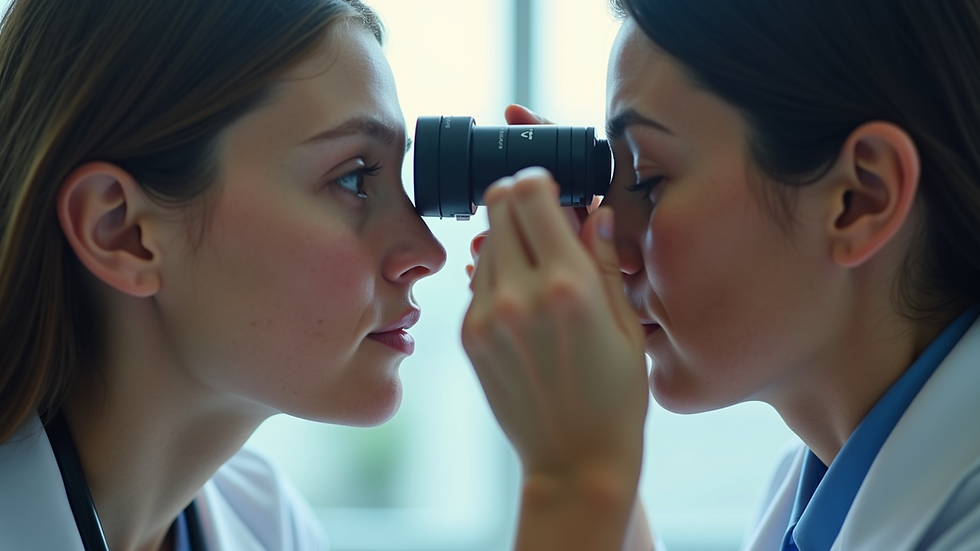
A comprehensive eye exam is more than just a vision test. It is a thorough evaluation of your eye health and visual function. During the exam, an optometrist will assess your vision, check for eye diseases, and evaluate how your eyes work together. This process can help detect issues early, ensuring that you receive the necessary treatment.
What to Expect During a Comprehensive Eye Exam
Understanding what happens during a comprehensive eye exam can help ease any anxiety you may have. Here is a breakdown of the typical steps involved:
1. Medical History Review
The first step in your eye exam is a review of your medical history. Your optometrist will ask about your overall health, any medications you are taking, and any family history of eye diseases. This information is crucial for identifying potential risks.
2. Vision Tests
Next, you will undergo a series of vision tests. These tests measure how well you can see at different distances. Common tests include:
Visual Acuity Test: This test measures how clearly you can see letters on an eye chart.
Refraction Test: This determines your exact prescription for glasses or contact lenses.
3. Eye Health Evaluation
After assessing your vision, your optometrist will examine the health of your eyes. This may include:
Slit-Lamp Examination: A special microscope allows the doctor to see the front structures of your eyes in detail.
Retinal Examination: Using a dilating eye drop, the doctor can view the back of your eye, including the retina and optic nerve.
4. Additional Tests
Depending on your age and risk factors, additional tests may be performed. These can include:
Intraocular Pressure Test: This test checks for glaucoma by measuring the pressure inside your eyes.
Visual Field Test: This assesses your peripheral vision and can help detect issues with your optic nerve.
Why Are Comprehensive Eye Exams Important?
Regular eye exams are vital for several reasons. Here are some key benefits:
Early Detection of Eye Diseases
Many eye diseases, such as glaucoma and macular degeneration, do not show symptoms in their early stages. A comprehensive eye exam can help detect these conditions before they cause significant damage.
Monitoring Overall Health
Your eyes can reveal a lot about your overall health. Conditions like diabetes and high blood pressure can be detected during an eye exam. Early detection can lead to better management of these conditions.
Updating Your Prescription
If you wear glasses or contact lenses, regular exams ensure that your prescription is up to date. This can improve your quality of life by enhancing your vision.
Personalized Eye Care
Every individual has unique eye care needs. A comprehensive eye exam allows your optometrist to tailor recommendations based on your specific situation. This personalized approach can lead to better outcomes.
How Often Should You Get an Eye Exam?
The frequency of eye exams depends on various factors, including your age, health, and vision needs. Here are some general guidelines:
Children: It is recommended that children have their first eye exam at six months, then again at three years, and before starting school.
Adults: Adults should have an eye exam every two years, or annually if they have vision problems or a family history of eye diseases.
Seniors: Those over 65 should have annual eye exams to monitor for age-related conditions.
What to Do Before Your Eye Exam
Preparing for your eye exam can help ensure a smooth experience. Here are some tips:
Bring Your Glasses or Contacts: If you wear corrective lenses, bring them along. This helps the optometrist assess your current prescription.
List of Medications: Prepare a list of any medications you are taking, including over-the-counter drugs and supplements.
Know Your Family History: Be ready to discuss any family history of eye diseases or health conditions.
After the Exam: What’s Next?
Once your eye exam is complete, your optometrist will discuss the results with you. If any issues are detected, they will recommend a treatment plan. This may include:
New Prescription: If your vision has changed, you may need new glasses or contact lenses.
Follow-Up Appointments: Some conditions may require regular monitoring, so follow-up visits may be necessary.
Referrals: If a serious issue is detected, your optometrist may refer you to a specialist for further evaluation.
The Role of Technology in Eye Exams
At United Eye Care Optometry, we utilize the latest technology to enhance the accuracy and efficiency of our eye exams. Some advanced tools we use include:
Digital Retinal Imaging: This technology captures detailed images of the retina, allowing for better monitoring of eye health.
Optical Coherence Tomography (OCT): OCT provides cross-sectional images of the retina, helping to detect conditions like macular degeneration.
Automated Visual Field Testing: This technology allows for quick and accurate assessment of your peripheral vision.
Eye Care Beyond the Exam
Comprehensive eye exams are just one part of maintaining good eye health. Here are some additional tips for caring for your eyes:
1. Protect Your Eyes from UV Rays
Wearing sunglasses that block UV rays can help protect your eyes from damage caused by the sun. Look for sunglasses labeled with 100% UV protection.
2. Maintain a Healthy Diet
Eating a balanced diet rich in fruits and vegetables can benefit your eye health. Foods high in omega-3 fatty acids, lutein, and vitamins C and E are particularly beneficial.
3. Stay Hydrated
Drinking plenty of water helps keep your eyes moist and can reduce dryness and irritation.
4. Take Breaks from Screens
If you spend long hours in front of a computer, remember to take regular breaks. The 20-20-20 rule is a good guideline: every 20 minutes, look at something 20 feet away for 20 seconds.
5. Avoid Smoking
Smoking is linked to an increased risk of eye diseases, including cataracts and age-related macular degeneration. Quitting smoking can significantly improve your eye health.
The Importance of Choosing the Right Optometrist
Selecting the right optometrist is crucial for your eye care. At United Eye Care Optometry, we pride ourselves on providing personalized care in a comfortable environment. Our team is dedicated to ensuring that you receive the best possible service.
What to Look for in an Optometrist
When choosing an optometrist, consider the following factors:
Experience and Qualifications: Look for an optometrist with the necessary credentials and experience.
Patient Reviews: Reading reviews from other patients can give you insight into the quality of care provided.
Services Offered: Ensure that the optometrist offers comprehensive eye exams and any additional services you may need.
Final Thoughts on Eye Health
Taking care of your eyes is essential for your overall well-being. Regular comprehensive eye exams at United Eye Care Optometry can help you maintain good vision and detect potential issues early.
By prioritizing your eye health, you are investing in your quality of life. Remember, your eyes are your windows to the world. Keep them healthy and bright.


Comments